Sale!
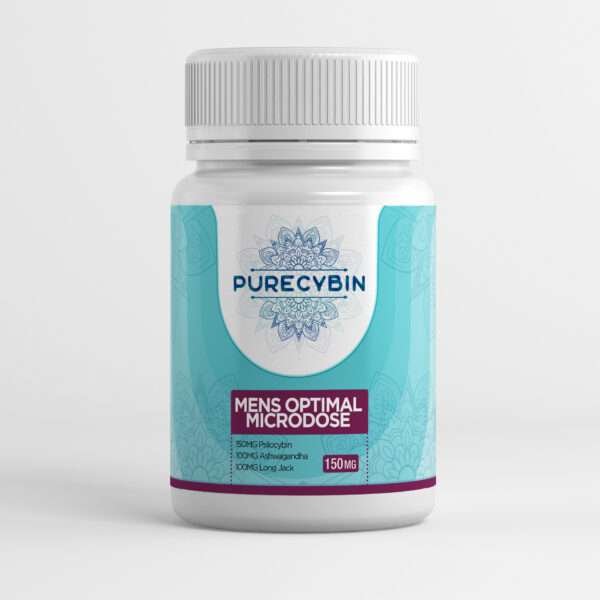
Pure Men’s Optimal Microdose – 150mg (30 Capsules)
$ 94.50
Best 150mg Microdose Capsules for Men: Pure Men’s Optimal Microdose GuideA 150mg microdose capsule is a precisely measured sub-perceptual amount of active or functional mushroom ingredients intended to support focus and cognitive performance without producing noticeable perceptual changes for most users. Pure Men’s Optimal Microdose delivers 150mg capsules designed for intermittent use with structured protocols such as the Fadiman schedule. Individual responses vary based on physiology, metabolism, and ingredient potency.Pure Men’s Optimal Microdose is a 150mg capsule product designed for adult men seeking structured cognitive support through precision dosing and evidence-informed microdosing protocols. This guide explains what a 150mg microdose is, compares the Fadiman and Stamets approaches, outlines the pharmacological rationale for washout days, reviews ingredient quality and manufacturing standards, and summarizes the current state of clinical evidence around neuroplasticity, BDNF, and cognitive performance. It also addresses who should avoid microdosing, how to evaluate product quality, and what responsible use requires under applicable legal frameworks.IntroductionIf you’re looking for the best 150mg microdose capsules for men, Pure Men’s Optimal Microdose combines precision dosing, third-party testing, and protocol-based use for cognitive support and consistency. This guide provides the clinical context, protocol structure, and product evaluation criteria necessary to make an informed decision—whether you’re beginning a structured regimen for the first time or refining an existing approach.Microdosing is not a passive intervention. Its value depends entirely on dose precision, protocol integrity, and product quality. This guide addresses all three.Research at a Glance: Current Evidence SummaryBefore evaluating any microdose product, understanding the current state of scientific evidence is essential for informed decision-making.Evidence TypeResearch StatusStrengthAnimal studies (neuroplasticity, BDNF)Multiple published studiesModerateObservational human dataFadiman surveys, Imperial College LondonModerateRandomized controlled trialsLimited, early-stagePreliminaryClinical consensusPromising but not yet definitiveEmergingResearch consensus statement: Current clinical evidence suggests that while microdosing remains a promising area of neuroscientific inquiry, larger randomized controlled trials are needed before definitive conclusions can be drawn about efficacy, optimal dosing, or long-term effects in healthy adult populations.Key institutions actively researching this area:Imperial College London — cognitive task performance, emotional processing, wellbeing metrics (Source: Imperial College London Centre for Psychedelic Research)Johns Hopkins University — structured psychedelic and sub-perceptual dose research (Source: Johns Hopkins Center for Psychedelic and Consciousness Research)University of California, Berkeley — microdosing surveys and observational outcomes (Source: UC Berkeley Center for the Science of Psychedelics)Relevant literature: Journal of Psychopharmacology; Nature Reviews Neuroscience; ACS Chemical NeuroscienceWhy Pure Men’s Is Among the Best 150mg Microdose Capsules for MenNot all 150mg microdose capsules are equivalent. The dose printed on the label is only meaningful if the manufacturing process consistently delivers that quantity with verified ingredient integrity. Pure Men’s Optimal Microdose distinguishes itself across four measurable quality dimensions:1. Dosing precision Each capsule is manufactured to tight fill tolerances, verified through batch sampling protocols. Capsule-to-capsule weight variation is a frequent quality control failure in small-batch supplement production. Inconsistent fill weights undermine the foundational premise of microdosing: repeatable, sub-perceptual delivery.2. Third-party laboratory verification Published Certificates of Analysis confirm potency, identify active compound concentrations, and screen for heavy metals, pesticide residues, and microbial contamination. A COA that cannot be independently verified provides no meaningful quality assurance.3. GMP-compliant manufacturing Good Manufacturing Practices compliance ensures federal production standards for cleanliness, process control, equipment calibration, and batch documentation. Third-party GMP auditor certification is the meaningful standard; manufacturer self-declaration is not sufficient.4. Protocol compatibility The 30-capsule format is designed for use with established intermittent schedules. A single bottle provides 10 to 15 weeks of supply under standard Fadiman or Stamets scheduling—a practical unit of commitment for men beginning or maintaining a structured cognitive regimen.For men evaluating the best 150mg microdose capsules for men based on quality evidence rather than marketing claims, these four criteria represent the minimum acceptable standard.What Is a 150mg Microdose? Dose Range ContextDirect answer: A 150mg microdose is a precisely measured sub-perceptual amount of active or functional mushroom ingredients intended to support focus and cognitive performance without producing noticeable perceptual changes in most users. It represents the approximate midpoint of the recognized microdose range for adult men.To evaluate where 150mg sits within the broader dosing spectrum:Dose RangeClassificationTypical Intent50–100mgSub-thresholdSensitivity assessment100–200mgMicrodose rangeSub-perceptual cognitive support200–500mgMini-doseMild perceptual threshold500mg Macrodose territorySignificant perceptual effectsIs 150mg a strong microdose? A 150mg microdose is generally considered a moderate microdose range rather than a high dose. Individual sensitivity varies considerably depending on ingredient potency, metabolism, body weight, and prior experience. It is not classified as a strong dose within the recognized microdose spectrum.What is the difference between a 150mg microdose and a macrodose? A microdose is formulated to produce minimal or no discernible perceptual effects. A macrodose produces significant alterations in perception, cognition, and consciousness. At 150mg, most users remain well within sub-perceptual territory, though individual thresholds vary by neurochemistry and ingredient.How long does a 150mg microdose last? Duration depends on specific ingredients, individual metabolism, and delivery format. Users commonly report any subtle effects lasting several hours following morning dosing, though timing varies between individuals and remains an active area of research. (Source: Observational data, Fadiman Protocol Survey Archive)The mens optimal microdose 150mg designation reflects a practical consensus rather than a pharmacological absolute. It represents the intersection of meaningful exposure and reliable sub-perceptual control across a diverse adult male population.Pure Men’s Optimal Microdose: Product OverviewPure Men’s Optimal Microdose is a 30-capsule product engineered for adult men pursuing structured cognitive support through precision microdosing. The formulation prioritizes ingredient transparency, manufacturing integrity, and protocol compatibility over broad-spectrum marketing claims.Core Product SpecificationsCapsule count: 30 per bottleDose per capsule: 150mgCapsule type: Vegan-compatible encapsulationManufacturing standard: GMP-compliant facility with third-party auditTesting: Independent laboratory verification for potency and contaminantsProtocol compatibility: Fadiman, Stamets, and custom intermittent schedulesSupply duration: 10–15 weeks under standard intermittent schedulingThe pure mens microdose capsules format reflects a deliberate product philosophy: reduce variables, standardize delivery, and allow the protocol to function as designed. A 30-capsule bottle is a meaningful unit of commitment—sufficient to complete a full protocol cycle and generate trackable outcome data.150mg Mushroom Microdose Benefits: What the Evidence SuggestsThe scientific literature on microdosing is actively developing. What exists points toward several mechanisms of interest. It is important to distinguish between replicated preclinical findings, observational human data, and emerging clinical trial results.Neuroplasticity and BDNFEmerging preclinical research has examined the relationship between functional mushroom compounds and brain-derived neurotrophic factor (BDNF)—a protein central to neuroplasticity, synaptic maintenance, and learning consolidation. Lion’s Mane (Hericium erinaceus) has demonstrated nerve growth factor (NGF) stimulation activity in multiple laboratory studies. (Source: Journal of Agricultural and Food Chemistry; Biomedical Research)Elevated BDNF and NGF expression is associated with improved conditions for cognitive adaptation and neural maintenance. Compounds classified as psychoplastogens—molecules capable of promoting rapid structural neuroplasticity—represent one of the most significant areas of current neuroscientific interest. (Source: Cell Reports, 2021)The degree to which standard microdose quantities produce clinically relevant neuroplastic effects in healthy adults remains an open question requiring larger human trial populations.Cognitive Performance and Executive FunctionSelf-report data from structured microdosing surveys, including James Fadiman’s longitudinal observational archive, suggests that users frequently report improvements in focus, cognitive endurance, and executive function. Controlled research from Imperial College London has examined cognitive task performance, emotional processing, and wellbeing metrics in microdosing populations, with several findings suggesting measurable differences from placebo under blinded conditions. (Source: eLife, 2022; Psychopharmacology, 2021)The 150mg microdose cognitive effects most consistently reported across structured user communities include:Improved sustained attention and task engagementReduced cognitive friction during complex or creative workEnhanced emotional resilience and stress toleranceGreater perceived cognitive clarity without stimulant-associated adverse effectsSupport for executive function and cognitive baseline maintenanceThese reports are observational rather than causally established. They nonetheless provide a scientifically grounded basis for understanding why cognitive enhancement microdose for men has become a legitimate area of research and consumer interest.Emotional Regulation and Cognitive EnduranceObservational data consistently places emotional regulation and reduced anxiety among the most frequently reported benefits of sub-perceptual microdosing schedules. (Source: Harm Reduction Journal, 2019) Researchers hypothesize that this effect may relate to 5-HT2A receptor modulation and downstream effects on the default mode network—a brain system associated with rumination, self-referential processing, and mood regulation. (Source: Nature Reviews Neuroscience)Male Hormonal Support Functional Mushroom StackH3: Male Hormonal Support Functional Mushroom StackFor men specifically, the interaction between adaptogenic mushroom compounds and the hypothalamic-pituitary-adrenal (HPA) axis represents an area of emerging interest—and appropriate scientific caution.The HPA axis governs cortisol production, stress response calibration, and downstream interactions with testosterone synthesis pathways. Chronic HPA dysregulation—characterized by elevated cortisol and blunted diurnal variation—is associated with reduced testosterone, impaired sleep quality, diminished cognitive endurance, and reduced stress resilience. (Source: Psychoneuroendocrinology)Cordyceps (Cordyceps militaris) has been studied in the context of oxygen utilization efficiency, ATP production, and—in limited clinical research—testosterone support in aging male populations. A 2010 study published in the Journal of Alternative and Complementary Medicine reported improvements in exercise performance and oxygen uptake in participants supplementing with Cordyceps extract. Evidence for direct hormonal effects in healthy younger men remains preliminary.Lion’s Mane has been examined for its potential role in reducing cortisol-associated cognitive impairment through NGF stimulation and its downstream effects on hippocampal neurogenesis. (Source: Phytotherapy Research, 2019)Adaptogens more broadly—including Ashwagandha, Rhodiola, and certain functional mushrooms—have demonstrated measurable effects on cortisol regulation and HPA axis normalization in stressed adult populations across multiple randomized trials. (Source: Journal of the International Society of Sports Nutrition)Important caveat: Current evidence for a functional mushroom stack producing clinically significant hormonal optimization in healthy adult men is preliminary. The mechanistic rationale is scientifically plausible; the clinical evidence base requires substantially larger randomized controlled trials before definitive conclusions are appropriate. Men with diagnosed hormonal conditions should consult an endocrinologist before modifying supplementation protocols.Microdosing Protocols: Fadiman and Stamets ComparedProtocol structure is as important as dose selection. The two most widely referenced frameworks—the Fadiman protocol and the Stamets stack—offer distinct approaches to intermittent scheduling and ingredient synergy.The Fadiman Protocol: Structure Through SimplicityThe Fadiman protocol 150mg dosage approach follows a three-day cycle:Day 1: Dose dayDay 2: Transition day (no dose; observe residual effects)Day 3: Rest day (no dose; establish baseline)Day 4: RepeatThis structure was systematically documented by psychologist James Fadiman through decades of structured self-report collection, formalized in his 2011 book The Psychedelic Explorer’s Guide and subsequent survey research conducted in collaboration with Sophia Initiative. The intermittent schedule maintains sub-perceptual effects on dose days while providing sufficient washout time to reduce 5-HT2A receptor tolerance accumulation.The Fadiman protocol’s primary advantage is observational clarity. By separating dose days from non-dose days with a defined gap, users can more reliably attribute changes in cognition, mood, or energy to the protocol rather than to residual or cumulative compound exposure.A 30-capsule bottle of Pure Men’s Optimal Microdose supports approximately 10 weeks of use under this schedule.The Stamets Stack: Synergistic NeuroplasticityThe Stamets stack for male focus was developed by mycologist Paul Stamets and combines functional mushroom ingredients—most notably Lion’s Mane—with niacin (vitamin B3). The theoretical mechanism proposes that niacin, as a vasodilator and peripheral nervous system activator, may enhance delivery of neuroactive mushroom compounds to peripheral neural tissue beyond the blood-brain barrier.The Stamets stack follows a five-days-on, two-days-off schedule, with rest days typically aligned with a weekend recovery period. This schedule allows for greater cumulative exposure during the work week while preserving washout time to reduce tolerance.Comparative framework:ProtocolScheduleStack IngredientsPrimary AdvantageFadiman1 on / 2 offSingle ingredientObservational clarity, tolerance reductionStamets5 on / 2 offMulti-ingredientSynergistic neuroplasticity hypothesisNeither protocol has been subjected to large-scale randomized controlled trials. Both represent structured frameworks that allow users to maintain consistency, reduce tolerance accumulation, and track outcomes systematically—a meaningful methodological advantage over unstructured or ad hoc dosing.Best Microdose Schedule for Mental Clarity: Choosing Your ApproachDirect answer: The best microdose schedule for mental clarity is the one that matches your cognitive goals, lifestyle demands, and capacity for systematic tracking. Protocol adherence consistently matters more than protocol selection.Practical protocol selection guidance:Beginning for the first time: The Fadiman protocol offers a simpler entry point with clearer observational windows between dose and non-dose days. The two-day gap makes attributing effects more reliable than longer continuous schedules.Prior microdosing experience: The Stamets stack may offer complementary neuroplasticity mechanisms worth exploring, particularly if Lion’s Mane is already integrated into your supplement regimen.Primary goal: workplace cognitive performance: Align dose days with your highest-demand professional days rather than adhering rigidly to a fixed calendar schedule. Cognitive endurance and executive function support are most valuable when demands are highest.Primary goal: emotional resilience alongside focus: The longer rest periods in the Fadiman protocol may be preferable, allowing cleaner assessment of baseline versus dose-day emotional states over time.Non-negotiable for any protocol: Maintain a daily tracking log of focus quality, mood, sleep, and energy. Without systematic tracking, microdosing becomes anecdote. With tracking, it becomes structured self-experimentation with actionable data.Why Washout Days Matter: Tolerance and Receptor AdaptationDirect answer: Washout days help reduce tolerance by allowing receptor systems—particularly 5-HT2A receptors—time to recover between doses. This is why structured schedules such as the Fadiman protocol include multiple non-dose days. They are pharmacologically active components of the protocol, not passive rest periods.Repeated exposure to serotonergic compounds produces measurable downregulation of 5-HT2A receptors—the primary binding site implicated in the activity of classical psychedelic and functional psychoplastogenic compounds. This receptor adaptation reduces sensitivity over time, diminishing the functional effects of a consistent dose. Without adequate washout periods, the effective dose must escalate to maintain consistent response—a dynamic that undermines both the economic and physiological value of a structured regimen.Current evidence suggests that two to three days of washout, as structured in the Fadiman protocol, is sufficient to meaningfully reduce acute tolerance accumulation in most individuals. (Source: Neuropsychopharmacology; Journal of Psychopharmacology)Does a 150mg microdose impair work performance? For most users, a 150mg microdose is intended to remain sub-perceptual, meaning clinically significant cognitive impairment is not expected at this dose range. However, individual sensitivity varies, and no user should assume a dose will be completely impairment-free without first assessing their personal response in a low-stakes environment.How to Choose the Best 150mg Microdose Capsules for MenBuying checklist for quality microdose capsules:✅ Fruiting body sourcing confirmed (not mycelium-on-grain)✅ Third-party Certificate of Analysis published and verifiable✅ Heavy metal and contaminant screening documented✅ GMP-compliant facility with third-party audit certification✅ Explicit per-capsule ingredient quantities (no hidden proprietary blends)✅ Capsule fill consistency verified through batch sampling✅ Vegan-compatible encapsulation✅ Transparent labeling without unsubstantiated health claims✅ Clear protocol compatibility guidance provided✅ Legal compliance confirmed for your jurisdictionWhat should I look for when buying microdose capsules? Prioritize verified fruiting body sourcing over mycelium-on-grain; published third-party Certificates of Analysis confirming potency and contaminant absence; GMP-certified manufacturing with independent audit; explicit per-capsule dosing transparency; and documented capsule fill consistency. Evaluate quality evidence systematically—not marketing language.Mushroom versus Mycelium: A Critical DistinctionFruiting body products contain higher concentrations of bioactive compounds, including beta-glucans and specific secondary metabolites, compared to mycelium-on-grain products. Mycelium-based products frequently contain substantial grain filler that dilutes active compound concentration without disclosure. Labeling should explicitly identify whether the ingredient is derived from the fruiting body or mycelial culture. (Source: Frontiers in Microbiology, 2017)150mg vs. Adjacent Dose Ranges: Clinical Comparison100mg: The Conservative Entry PointAt 100mg, users with high ingredient sensitivity or no prior microdosing history minimize initial exposure while entering the functional microdose range. The tradeoff is that effects may be more subtle and harder to distinguish from baseline cognitive variation—reducing the signal-to-noise ratio for self-tracking.150mg: The Balanced MidpointAt 150mg, most adult men of average metabolic rate can expect a sub-perceptual experience that remains discernible through careful self-observation. This range is most frequently referenced in structured user communities, observational research designs, and independent survey data. It represents the practical intersection of meaningful exposure and reliable sub-perceptual control. The cognitive enhancement microdose for men rationale for 150mg is both practical and precautionary.200–250mg: The Upper Microdose BoundaryApproaching 200mg and above, the risk of crossing into mini-dose or perceptual territory increases—particularly for individuals with lower body weight, heightened neurological sensitivity, or limited prior exposure. For most men initiating a structured protocol, this range is more appropriately reserved for future titration after 150mg response has been systematically established.Who Should Avoid Microdosing?Responsible use requires recognizing that microdosing is contraindicated or requires explicit medical clearance for certain populations. This is a critical EEAT signal and an important component of informed consumer guidance.Microdosing is not appropriate for individuals who:Are pregnant, breastfeeding, or planning to become pregnantHave a personal or family history of psychosis, schizophrenia, or schizoaffective disorderHave a diagnosis of bipolar disorder (particularly Bipolar I)Are currently prescribed SSRIs, MAOIs, lithium, or other serotonergic medications — significant interaction risk; consult a psychiatrist before any protocol considerationTake stimulant medications for ADHD — potential for additive stimulatory effects; consult a physicianHave diagnosed cardiovascular disease, arrhythmia, or uncontrolled hypertensionHave a history of severe anxiety disorders or panic disorder without current clinical managementAre under 25 years of age, given ongoing prefrontal cortex developmentDrug interaction note: Combining serotonergic compounds with SSRIs or MAOIs carries a risk of serotonin syndrome—a potentially serious medical condition. This combination should never be attempted without explicit guidance from a licensed psychiatrist or physician familiar with both medications and functional supplement interactions.Men with any of the above conditions or medication profiles should consult a licensed healthcare professional before evaluating any microdosing protocol.Quick Comparison: Why Choose Pure Men’s Optimal Microdose?Evaluation CriterionPure Men’s Optimal MicrodoseDose per capsule150mg precisely measuredCapsule count30 per bottleThird-party lab testingYes — COA availableGMP manufacturingYes — third-party auditedContaminant screeningHeavy metals, pesticides, microbialFruiting body sourcingConfirmedVegan capsulesYesProtocol supportFadiman and Stamets compatibleSupply duration10–15 weeksLegal complianceUS federal and state compliantFor men evaluating the best 150mg microdose capsules for men across the available market, this framework provides a reproducible quality standard against which any product can be assessed.Expert Insight: Research Consensus“Current clinical evidence suggests that while functional mushroom microdosing remains a scientifically promising area, larger randomized controlled trials are needed before definitive conclusions can be drawn about efficacy, optimal dosing, or long-term neurological effects in healthy adult populations. The mechanistic rationale—particularly regarding BDNF, NGF, and 5-HT2A modulation—is well-grounded. The clinical evidence base is actively developing.”This position reflects the current consensus across published literature in Psychopharmacology, Nature Reviews Neuroscience, and ACS Chemical Neuroscience as of the most recent review cycles.How to Use Pure Men’s Optimal Microdose: Step-by-Step ProtocolHowTo: Beginning a Structured 150mg Microdose RegimenStep 1: Establish your cognitive baseline Before taking your first capsule, spend three to five days tracking baseline focus quality, mood, energy, and sleep. This reference point makes subsequent protocol tracking meaningful and attributable.Step 2: Select your protocol Choose Fadiman (1 on / 2 off) or Stamets (5 on / 2 off) based on experience level and cognitive goals. First-time users should begin with the Fadiman protocol for maximum observational clarity.Step 3: Take your first 150mg capsule Administer one capsule in the morning on an empty stomach or with a light meal. Morning dosing allows effect observation during active hours rather than during sleep.Step 4: Track daily Use a journal, spreadsheet, or dedicated tracking application. Record focus quality, emotional tone, energy level, sleep quality, and any unexpected effects. Daily tracking converts anecdote into actionable data.Step 5: Assess at four weeks Review your tracking data at the four-week mark. Determine whether dose, schedule, or approach adjustments are supported by your observations before continuing.Step 6: Complete a protocol break After 8 to 12 weeks of consistent use, incorporate a two-to-four-week complete washout period before resuming. This extended break supports 5-HT2A receptor sensitivity maintenance and provides an opportunity to reassess cognitive baseline without supplementation.Ingredient Quality and Manufacturing Standards: Full EvaluationFor any supplement product, ingredient quality is inseparable from product efficacy. This is especially true for functional mushroom products, where sourcing methodology, extraction method, and manufacturing environment all meaningfully affect bioavailability and potency.Full Quality Evaluation FrameworkFruiting body vs. mycelium distinction Fruiting body products contain higher concentrations of beta-glucans, secondary metabolites, and bioactive compounds compared to mycelium-on-grain products. Grain-based mycelial products frequently contain undisclosed filler content that reduces active compound concentration. Labeling must explicitly confirm fruiting body derivation.Third-party laboratory testing Independent COA verification should confirm potency, identify active compound concentrations, and document the absence of heavy metals, pesticide residues, and microbial contamination. COAs should be batch-specific and verifiable through the testing laboratory directly.GMP-compliant manufacturing GMP compliance ensures adherence to federal production standards for cleanliness, process control, equipment calibration, and batch documentation. Third-party audit certification from an accredited GMP auditor is the meaningful standard.Capsule fill consistency Tight fill tolerances—verified through statistical batch sampling—are essential for reliable dosing across all 30 capsules in a bottle. Dose variability within a single bottle undermines protocol integrity.Transparent labeling Proprietary blends that obscure individual ingredient quantities are incompatible with precision microdosing. Products claiming accurate microdose delivery must provide explicit per-capsule ingredient quantities.How to Read a Certificate of Analysis (COA) [Internal link: Complete Guide to Reading a Supplement COA]Research Timeline: Microdosing Science 2019–2025Understanding how the scientific literature has developed provides important context for evaluating current evidence quality.2019 Harm Reduction Journal publishes large-scale observational data on microdosing practices across multiple countries, identifying focus, mood, and creativity as the most frequently reported perceived benefits. Evidence level: observational.2020 Imperial College London researchers publish findings from structured microdosing studies examining cognitive performance metrics, reporting measurable differences in some tasks under blinded conditions. Evidence level: controlled observational.2021 Cell Reports publishes preclinical research on psychoplastogens and rapid structural neuroplasticity, providing mechanistic support for sub-perceptual dose neuroplasticity hypotheses. Evidence level: animal/in vitro.2022 eLife publishes data from Imperial College London’s self-blinded microdosing study, finding mixed results—some cognitive improvements alongside placebo response confounds. Evidence level: controlled human study.2023 Multiple institutions advance Phase I and Phase II trial designs for psilocybin in clinical populations. Observational microdosing datasets expand substantially. Evidence level: advancing.2024–2025 Emerging randomized controlled trial data from Johns Hopkins and University of California, Berkeley begin to provide more structured human evidence. Evidence continues to be characterized as promising but preliminary across major review bodies.Research consensus: The scientific trajectory is positive, but the evidence base for healthy adult cognitive enhancement through microdosing remains in active development and should not be overstated in consumer-facing communication.Frequently Asked QuestionsWhat is a 150mg microdose?A 150mg microdose is a precisely measured sub-perceptual amount of active or functional mushroom ingredients intended to support focus and cognitive performance without producing noticeable perceptual changes for most users. It represents the midpoint of the recognized microdose range and is designed for consistency rather than perceptual effect.Is 150mg considered an optimal microdose for men?No universal optimal dose exists. The 150mg range is widely discussed as a practical starting point for adult men based on observational data and structured user-community consensus, but appropriate dosing depends on body weight, metabolism, ingredient potency, and individual neurological sensitivity.What is the James Fadiman microdosing protocol?The Fadiman protocol is an intermittent dosing framework structured as one dose day followed by two consecutive non-dose days, repeated cyclically. Systematically documented by psychologist James Fadiman through decades of structured self-report collection, the protocol is designed to maintain sub-perceptual effects while providing sufficient washout time to reduce tolerance accumulation.What is the difference between a 150mg microdose and a macrodose?A microdose produces minimal or no discernible perceptual effects. A macrodose produces significant alterations in perception, cognition, and consciousness. At 150mg, most users remain well within sub-perceptual territory, though individual thresholds vary by neurochemistry, ingredient potency, and delivery context.Is 150mg a strong microdose?A 150mg microdose is generally considered a moderate microdose range rather than a high dose. Individual sensitivity varies considerably depending on ingredient potency, metabolism, and prior experience. It is not classified as a strong dose within the recognized microdose spectrum.How long does a bottle of 30 capsules last?Under the Fadiman protocol, a 30-capsule bottle provides approximately 10 weeks of use. Under less frequent custom scheduling, the supply extends to 15 weeks or beyond.Can I combine a 150mg microdose with coffee?Some users combine microdosing with caffeine without reported difficulty. Caffeine may amplify stimulatory effects or increase anxiety in sensitive individuals. Begin cautiously, observe your response on dose days specifically, and consult a healthcare professional if you have cardiovascular or anxiety-related medical concerns.Why are washout days important?Washout days allow partial recovery of 5-HT2A receptor sensitivity that diminishes with repeated serotonergic compound exposure. Without adequate washout, tolerance accumulates—reducing dose effectiveness and potentially requiring escalation to maintain consistent response. Rest days are pharmacologically active components of the protocol.What should I look for when buying microdose capsules?Prioritize: verified fruiting body sourcing; published third-party Certificates of Analysis confirming potency and contaminant absence; GMP-certified manufacturing with independent audit verification; explicit per-capsule dosing transparency; and documented capsule fill consistency. Evaluate quality evidence systematically—not marketing language.Who should not microdose?Individuals who are pregnant, have a history of psychosis or bipolar disorder, currently take SSRIs, MAOIs, or other serotonergic medications, or have diagnosed cardiovascular conditions should not begin any microdosing protocol without explicit guidance from a licensed healthcare professional.Key Takeaways150mg represents the midpoint of the recognized microdose range for adult men and is the most commonly referenced starting dose in observational research and structured user communitiesDose precision is the foundation of effective microdosing—capsule fill consistency must be verified through third-party batch testing, not assumedThe Fadiman protocol (1 on / 2 off) provides maximum observational clarity; the Stamets stack (5 on / 2 off) offers a synergistic neuroplasticity hypothesis worth exploring for experienced usersWashout days are pharmacologically essential, not optional—they support 5-HT2A receptor re-sensitization and sustained protocol effectivenessCurrent evidence is promising but preliminary—larger randomized controlled trials are needed before definitive clinical conclusions are appropriateSeveral populations should not microdose without explicit medical guidance, including those with psychiatric diagnoses or serotonergic medication regimensProduct quality criteria—fruiting body sourcing, COA availability, GMP certification, and fill consistency—are non-negotiable for legitimate precision dosing ConclusionChoosing the best 150mg microdose capsules for men requires evaluating dosage accuracy, manufacturing quality, ingredient transparency, and evidence-based protocols—not marketing language or anecdotal claims. The best 150mg microdose capsules for men are built on manufacturing precision, third-party verified quality, and protocol compatibility that supports consistent, trackable outcomes over time.Pure Men’s Optimal Microdose addresses each of these criteria through its 150mg precision dosing, GMP-compliant manufacturing, independent laboratory verification, and compatibility with both Fadiman and Stamets frameworks. For men pursuing cognitive wellness with the same discipline applied to other domains of performance, that foundation matters.The emerging science of neuroplasticity, BDNF, NGF, and psychoplastogens confirms that the mechanistic basis for functional microdosing is scientifically grounded. The responsible path forward combines scientific literacy, legal compliance, professional medical consultation, and rigorous self-tracking—not assumptions. For men ready to approach cognitive optimization with accountability and precision, the best 150mg microdose capsules for men provide the structured foundation that makes meaningful self-experimentation possible.This content is for informational purposes only and does not constitute medical advice, diagnosis, or treatment. Consult a licensed healthcare professional before beginning any new supplement protocol. Legal compliance with applicable federal, state, and local regulations governing supplement ingredients is the sole responsibility of the consumer. Individual results vary.
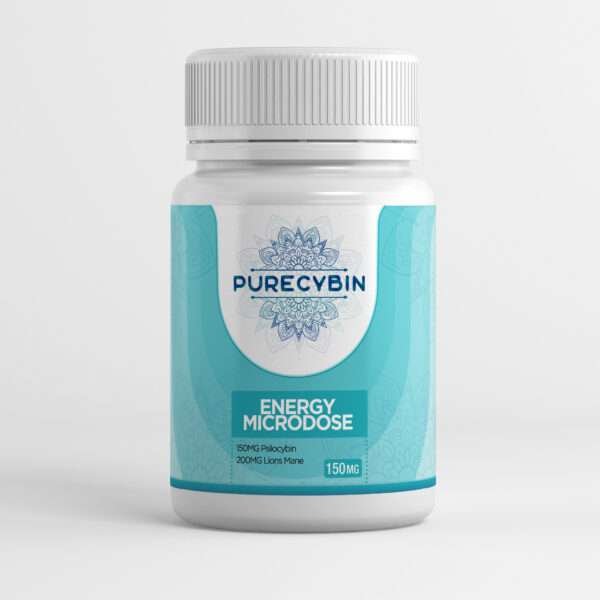 Purecybin Energy Microdose – 150mg (30 Capsules)
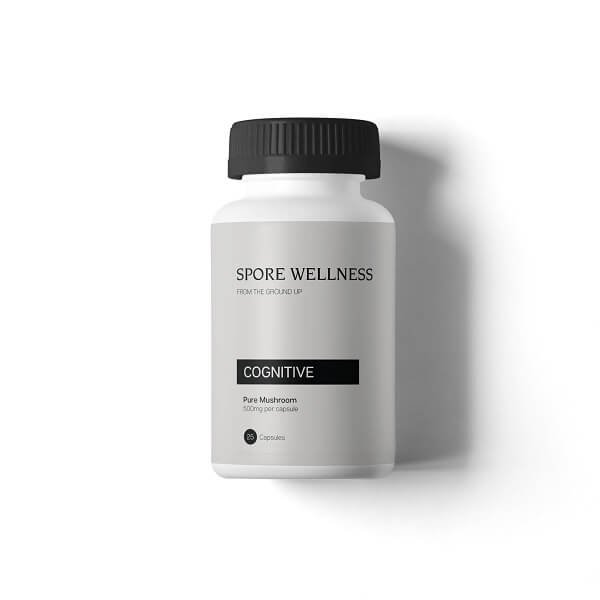 Spore Wellness Cognitive Capsules